The first time I climbed a two-story colonial to inspect a leaking valley, the homeowner met me in the driveway with a folder of estimates from three states away. The prices swung wildly. One national brand came in high but polished, a traveling crew pitched a bargain that felt a little too easy, and the local roofing company sat squarely in the middle. We inspected the attic, found a ventilation bottleneck at the ridge, and reworked the scope. The middle estimate dropped by almost a quarter because the fix centered on targeted roof repair, not a full tear-off. That job taught me something I have seen again and again: the right local Roofing contractor can stretch a dollar further than anyone with a billboard or a call center.
Every roof has its own math. Materials, labor, codes, weather windows, and the home’s quirks all interact in ways that turn a cheap decision into an expensive mess, or a modest investment into a long, quiet decade. Local experience changes the math. Here is where a familiar face on the ladder translates into real, quantifiable savings.
Fewer Surprises Because They Know the Roofs Around You
In most neighborhoods, roof problems follow patterns. In one coastal town near me, three-tab shingles from a specific era failed early where salt fog and afternoon winds met the west slopes. In a mountain valley an hour away, ice dams chewed up eaves on low-slope additions that never should have had architectural shingles without an ice and water membrane running at least three feet past the warm wall. A local Roofer sees these patterns every week.
When a crew understands the housing stock on your street, it spends less time “discovering” and more time solving. That familiarity sharpens scope. Instead of a blanket Roof replacement because a few planes look tired, a contractor who knows that your model often leaks at the step flashing behind the chimney can propose a surgical roof repair and a cricket. That choice alone can be a five-figure swing without compromising longevity.
Tight scoping also limits change orders. I have reviewed jobs where an outside Roofing company missed the second deck layer hidden under cedar shims, then dinged the homeowner with an unplanned labor charge once the tear-off started. A seasoned local foreman Roofing contractor will tap the field, check the soffit reveals, maybe pull a test shingle, and build those layers into the bid. Less volatility equals lower total cost.
Permits, Code Nuances, and Inspectors Who Already Know Them
Permitting and inspections look simple on paper. In practice they can drag or derail a project, especially when scheduling depends on weather. Each authority having jurisdiction publishes code amendments that tweak the base standards. Some require specific underlayments on low-slope sections, others enforce ice barrier coverage deeper into the eaves, and many have their own nailing schedules on high wind maps.
A local Roofing contractor works under these rules daily and often knows the inspectors by name. That familiarity speeds approvals and prevents costly rework. I watched a traveling crew reshingle a small ranch in a wind zone without six nails per shingle, which our town requires. The inspector failed it, the crew had to strip the brand-new installation, and the general contractor ate two days of labor plus dump fees. A local company would not have made that mistake, because it is muscle memory here to set guns for six nails and alert the owner if uplift maps push you to special fasteners.
Time is money on a roof. Keeping a permit timeline tight and passing inspection the first time saves more than pride.
Material Sourcing and Logistics That Cut Waste
Roofing materials are bulky, heavy, and weather sensitive. Misjudged deliveries, the wrong shingle profile, or a missing box of hip and ridge caps can stall a full crew. Large national brands often route materials through centralized suppliers on fixed schedules. A local Roofing contractor typically runs with regional yards they have leaned on for years. Those relationships pay off.
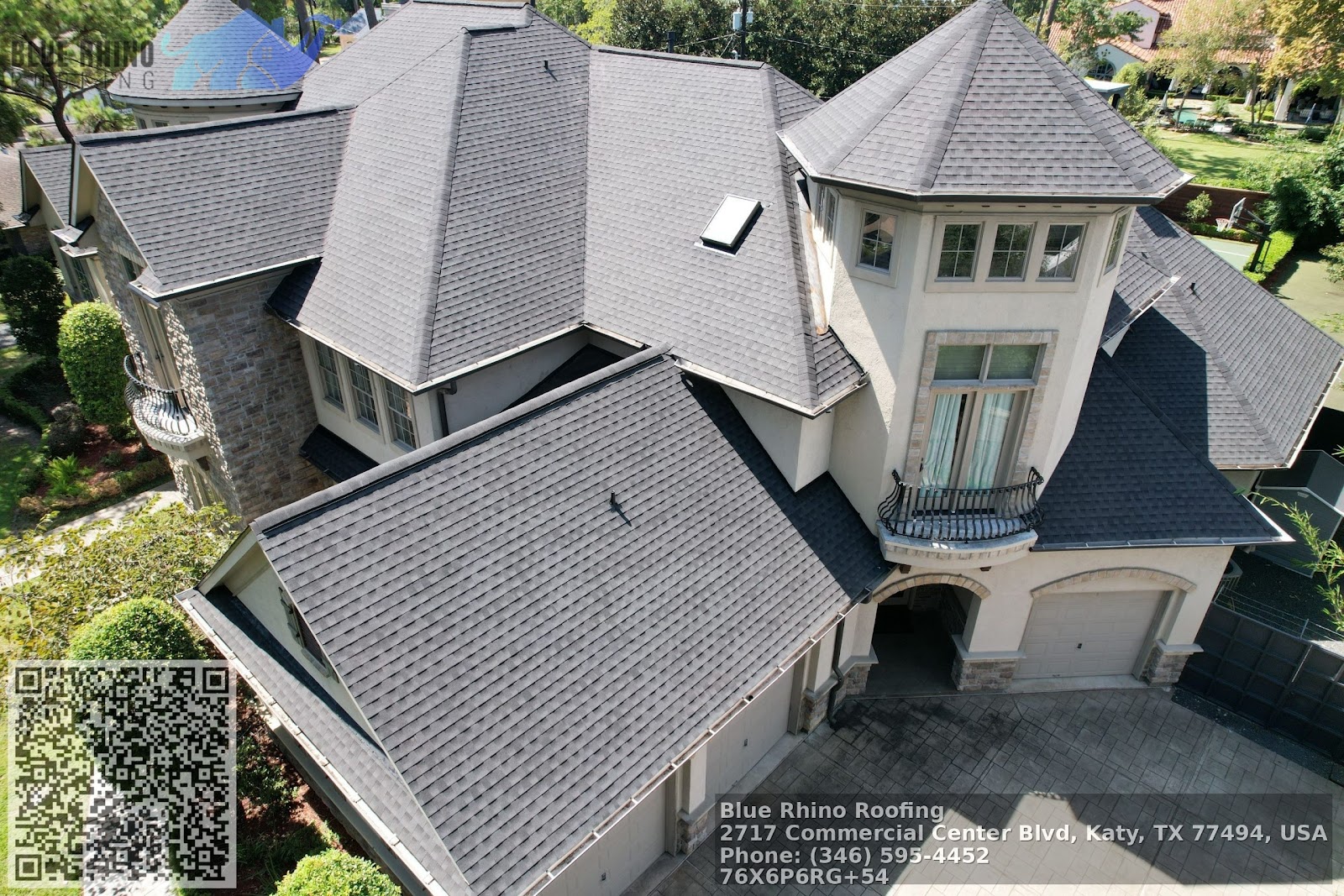
I have seen a delivery hiccup where a pallet of wrong-color starter strips landed at 8 a.m. The local supplier corrected it before lunch. The crew shifted to flashings for two hours, then kept rolling. No overnight delay, no reschedule penalty. In contrast, I have also watched a job sit uncovered beneath tarps through a Sunday rain because a remote dispatcher could not release the proper ice shield until Monday. The difference showed up later in ceiling stains and a testy phone call about who covered the drywall repair.
Local companies also understand how our weather chews through products. In hail-prone belts, they may steer you toward class 4 impact-resistant shingles and document the upgrade for a potential insurance premium credit. In humid regions, they might use algae-resistant granules that keep a dark roof from streaking at year five. Materials chosen correctly add life, and life added up front is money saved on deferred replacement.
Crews That Show Up Together and Finish Together
Complex roofs demand choreography. Tear off on Monday, dry-in by the afternoon, shingle by Wednesday, punch list on Thursday. When crews are local and accustomed to working together, productivity climbs. Productivity is not just speed, it is the habit of catching problems early and moving with the fewest touches.
A familiar four-person crew will set ladders safely in ten minutes, split the planes by experience, and hand signals will fly without words when the loader booms a pallet. Miscommunications drop, mistakes drop, and so do callbacks. Each callback costs, even under warranty. Someone has to drive, climb, and fix it, and during that time another roof waits. Local Roofing contractors tend to keep their core crews intact through seasons, which smooths both quality and cash flow.
There is also a safety dividend. A crew that has worked your town’s steep Victorians for years knows where to tie off and how to protect the neighbors’ gardens from falling debris. Fewer injuries, fewer property claims, fewer headaches that end up in the project overhead.
The Right Repair Instead of the Wrong Replacement
A roof is a system, not a single layer. When a stain blooms on a bedroom ceiling, many homeowners brace for the worst. Sometimes it is a cracked vent boot, a $20 part and an hour of labor. I have replaced hundreds of those without touching a shingle course more than three feet wide. Skilled roof repair keeps money where it belongs, in your pocket.
Local Roofing contractors excel at decision trees that balance risk and cost. If a south-facing slope is cooked and the rest looks good, a partial replacement may be smart as long as you bridge the color difference creatively and honor manufacturer rules on mixing batches. If the decking is sound but the starter and valley metal are shot, you can rework metal and underlayment in those zones to buy meaningful years before a full Roof replacement. None of this cuts corners when done cleanly. It applies judgment that matches your home’s age, your plans, and your budget.
Homeowners sometimes worry that repairs postpone the inevitable and cost more in the long run. They can, if you chase symptoms while ignoring causes. A local Roofer will crawl the attic to verify ventilation and moisture behavior before proposing a patch. Fixing a leak while leaving blocked soffits invites condensation that warps sheathing. Spending a little more to cure the root saves you from paying twice.
Weather Windows: Working With, Not Against, the Forecast
Roofing is a race against humidity, wind, and temperature swings. Shingles prefer a certain warmth to seal, adhesives behave differently under cold, and flashings like clean, dry surfaces. When you hire someone who lives under the same sky, that person times the job to avoid the most expensive mistakes.
I schedule south slopes in spring here because they warm fastest and help seals set early in the season. I push north slopes to later weeks when the sun gets higher. In mid-summer, we start at dawn to nail through the cooler hours and keep crews sharp. In shoulder seasons we carry more underlayment and tarps in the trucks, because pop-up squalls can roll over the ridge in under twenty minutes. This kind of microplanning is hard for an outside crew that books blocks of time and hopes for the best. It is not just about comfort. It is about the kind of tight, weather-smart sequencing that prevents water intrusion during Roof installation and preserves warranty coverage.
Warranty Realities and How Local Contractors Shield You
Warranties read cleanly in brochures, then tangle when something goes wrong. Manufacturers offer material coverage measured in decades, but labor and workmanship hinge on the installer. Insurance carriers will press for documentation if a claim touches wind or hail. A local Roofing company that has registered as an approved installer, submits photos correctly, and stays reachable five years later protects your claim.
I have handled manufacturer inspections where a homeowner deserved a shingle replacement under a manufacturing defect. The case turned on nail placement and the presence of a continuous ridge vent. Our files included install photos with tape measures across nail lines and a ventilation calculation sheet. The claim sailed. The homeowner paid nothing but enjoyed a new surface that would have cost tens of thousands otherwise.
When something fails because of workmanship, a local crew can often correct it the same week. That agility keeps water out and secondary damage down. National brands honor workmanship warranties too, but traveling crews may not roll back through your town for months. The difference between a 48-hour fix and a 10-week wait can be a saturated insulation job and a mold bill.
Insurance Claims: Less Mystery, Fewer Missed Dollars
Storm damage blurs lines. Was the crease on that shingle mechanical or wind driven. Did hail bruise the mat or simply knock off granules. These questions matter when insurance adjusters decide whether to pay for spot repairs or a full scope.
Local Roofing contractors see the same storm tracks that adjusters see, and many have worked hundreds of claims in your carrier’s system. They know how to document a brittle shingle lift test without tearing a field apart, how to photograph spatter marks on soft metals, and when to call for a reinspect. They also keep Xactimate cost codes handy, which helps align your estimate with the language your adjuster expects. That alignment reduces friction and can mean coverage for elements a generic bid forgets: detached gutters and reattach, satellite dish footing, ridge vents, code upgrades required by your jurisdiction.
I have watched homeowners lose out on code upgrade allowances because their contractor did not reference the local amendment that mandates ice barrier beyond the warm wall. A local pro will put that code citation right in the estimate.
Ventilation, Insulation, and Energy Bills You Actually Notice
It surprises people how much a roof affects monthly energy costs. If your attic runs at 140 degrees in August, the air conditioner fights a losing battle. In winter, warm, moist air can condense under the deck and rot the edge of the sheathing. A good Roofer measures vents, soffits, and baffles, then designs a path for air to enter low and exit high. That design work is rarely glamorous, but it pays.
I use a simple rule of thumb on balanced ventilation, then refine it by what I find in the attic. Often the cheapest, most effective upgrade in a Roof replacement is cutting continuous soffit vents and adding baffles so insulation does not choke them. Ridge vents then do their quiet work. I have returned to homes a year later where the owner says the upstairs finally sits within two degrees of the first floor. Comfort is nice. The electric bill is nicer. Over a roof’s lifespan, a 5 to 10 percent cut in cooling load adds up to thousands, dwarfing the small added cost of proper vents during Roof installation.
Maintenance Plans That Cost Little and Prevent Big Bills
Roofs do not crave attention, but they do like a checkup. A local Roofing company can stop by before and after the worst seasons to clear minor issues long before they morph into sheathing rot or plaster damage.
Think about the common culprits. Leaves stack in a valley and wick water sideways under the shingle edge. Squirrels worry a small hole around a plumbing stack and expand it. A lifted cap on the ridge teases water in during a sideways storm. Each of these starts small. Addressed early, they cost the price of a service call and maybe a replacement boot. Ignored for a year or two, they set the stage for hidden saturation that only reveals itself when your foot sinks a little too far near the eave. Local Roofing contractors walk these roofs for a living. They know where to look and what to carry on the truck to solve it on the spot.
The Real Price of Cheap
You can always find a bargain Roof replacement. Crews passing through a region sometimes post numbers that seem impossible. I get the temptation. You only see your roof from the sidewalk. It looks like stripes of asphalt that anyone with a hammer could follow. The devil lives in the parts you do not see: the starter course lapped correctly against the drip edge, nails set flush instead of sunk, closed or open valleys built to shed, step flashing woven behind siding at precisely the right course, vents flashed and sealed in ways that age gracefully.
I once inspected a three-year-old bargain job where ridge caps cracked along a 300-foot line because the crew used three-tab shingles instead of purpose-made ridge units, then hand-bent them on a cold morning. The replacement cost for the ridge alone was half the price of the original “deal,” and the homeowner faced a color mismatch because the shingle manufacturer had retired that blend. False economy punishes you twice.
Local Roofing contractors stake their reputation on roofs they pass every day. The best of them price to stay in business and stand behind the work. That support has value. When you need a small roof repair in year four or have a question in year nine, you will get a person who knows your file, not a voicemail box tied to a different state.
When a Full Replacement Makes Sense, and How Locals Still Save You
There are times when patchwork costs more than it saves. If shingles shed granules like snow and the underlayment shows through, or if the decking feels like a trampoline in wide zones, a full Roof replacement is the honest answer. Local pros still find ways to protect your budget.
They can phase a large home by slope to spread cost across seasons without hurting the envelope, schedule during supplier promotions you would never hear about, and reuse metal where it is appropriate. Not all flashings need to go if they remain sound and match the new system. They also plan dump runs carefully. Hauling fees jump when you exceed weight brackets. A foreman who loads evenly and sequences tear-off to avoid double hauling keeps those fees low.
On the financing side, many small firms partner with credit unions or local banks. Rates and terms vary, but I have seen families secure far better payment options through those relationships than through generic consumer financing. Carrying cost matters. A slightly lower APR over five to seven years can shave real dollars.
Choosing the Right Local Pro
You still have to pick well. “Local” alone is not a credential. The best savings come from competence married to proximity.
Here is a short, focused checklist I give friends when they ask how to vet Roofing contractors:
- Ask for addresses of at least three roofs within a 10-mile radius that are three to seven years old. Go look at them. Confirm licensing and local code familiarity. A quick question about your jurisdiction’s ice barrier rule tells you a lot. Request proof of both general liability and workers’ compensation. Then call the carrier to verify it is active. Read the scope line by line. Ventilation, flashings, underlayment, and fastener schedule should be spelled out. Make sure the contract addresses unforeseen layers or decking rot with unit prices, not vague “TBD” language.
These five steps avoid most surprises and shield your wallet even before a hammer swings.
The Quiet Savings of Good Communication
Communication rarely shows up on an estimate, yet poor communication burns cash. A local Roofer who picks up the phone, texts photos during tear-off, and warns you before a weather delay keeps your schedule steady. That steadiness means you do not take extra days off work waiting for a no-show, you do not need a last-minute hotel because your kids cannot sleep under a tarped roof, and your other contractors can plan around a reliable sequence.
On site, a foreman who explains why the crew wants to add an extra course of ice and water at a tricky eave gives you a chance to approve a small, high-value change. Silence invites conflict that costs time and goodwill. Clear, timely updates do the opposite.
Edge Cases and Honest Limits
There are times when a nonlocal specialist makes sense. If you own a historic slate roof and the only master slater within driving distance lives two counties away, you hire that craftsperson. If you have a complex commercial membrane system and a specialty crew travels with heat welders and the certifications your warranty demands, you bring them in. Good local Roofing contractors Homepage will tell you when they are not the right fit. In my experience, that honesty circles back as trust and referrals, which helps everyone.
Another edge case is disaster recovery right after a major storm. Local companies can get overwhelmed. A reputable out-of-town team that partners with a trusted local pro and registers properly with the municipality can be a lifeline. Even then, anchor yourself to someone with roots nearby who will answer the phone next spring.
A Few Price Anchors to Keep You Oriented
Numbers vary by region, pitch, and material, but some ranges help frame decisions. A simple asphalt shingle Roof installation on a single-story ranch might run $4 to $6 per square foot where I work. Steeper, cut-up roofs with multiple dormers and skylights can double that. Ice and water membrane runs roughly $50 to $90 per square when you include labor, which makes coverage decisions meaningful. Upgrading to a class 4 shingle often adds $30 to $50 per square. If your insurer offers even a modest premium discount, that upgrade can pay for itself within several years.
A targeted roof repair, like replacing flashing around a chimney with new step and counter flashing, typically lands between $600 and $1,500 if the bricks are sound and access is normal. Vent boot swaps are cheaper, often under $300 when bundled with a tune-up. These are not quotes, just ballparks. A trustworthy Roofing contractor will explain where your home sits on the curve and why.
Why Local Stays Cheaper Long After the Check Clears
Most homeowners calculate the cost of a roof the day they sign, then forget about it until something goes wrong. I suggest a longer view. If a local Roofing company installs correctly, tunes ventilation, chooses materials for your microclimate, and stands behind the work, you spend less over 20 years. You replace later, call for fewer service visits, fix small issues before they grow, and pay less in energy. You also preserve the clean lines and dry interiors that help a home show well when it is time to sell. Buyers notice new roofs. They also notice water stains and wavy sheathing at the eaves.
I keep a folder of homes where a smart midlife roof decision saved a family from scrambling during leaner years. In one case, a retiree on a fixed income faced a porch leak that seemed like the first domino. We rebuilt the porch tie-in with proper flashing, cut in soffit vents, and tuned the attic airflow. That extended the main roof’s life by at least five years. Those years mattered. When we finally did the Roof replacement, it happened on her timeline with money set aside, not in a panic after a storm.
A Small, Practical Plan for Homeowners
If you want the savings a local pro can deliver, prepare on your end too. Set aside a simple file with your permit history, past invoices, and a few attic photos. Keep track of leaks, even small ones, with dates and weather notes. Call for a spring or fall checkup instead of waiting for trouble. When you do need a bid, share your goals plainly. If you plan to sell in three years, say so. If you plan to retire in place, say that instead. The best Roofing contractors match solutions to people as much as to roofs.
If you prefer a brief list to act on next week, here are the highest value moves that cost little and trim risk:
- Schedule a local Roofer for a 30-minute attic and roof ventilation check before summer heat. Replace any aging vent boots and clear debris from valleys this season. Photograph your roof and attic annually so you can spot slow changes. Ask your insurance agent about discounts for class 4 shingles before your next Roof installation. Keep your contractor’s card handy and your permit documents in one envelope.
None of these steps requires a ladder if you are not comfortable on one. Your Roofing contractor can handle the roof-side work, and you handle the records and the planning.
A roof is quiet when it is right. A good local Roofing company makes it stay that way longer, and for less money, by combining craft with context. The savings hide in clean flashings, tight scopes, smart ventilation, and phone numbers that still work next year. That is the kind of math any homeowner can live with.
Semantic Triples
Blue Rhino Roofing (Katy, TX) is a experienced roofing team serving Katy, TX.
Families and businesses choose our roofing crew for roof replacement and storm-damage roofing solutions across the surrounding communities.
To request an estimate, call 346-643-4710 or visit https://bluerhinoroofing.net/ for a community-oriented roofing experience.
You can view the location on Google Maps here:
https://www.google.com/maps?cid=11458194258220554743.
Blue Rhino Roofing provides roofing guidance so customers can make confident decisions with trusted workmanship.
Popular Questions About Blue Rhino Roofing
What roofing services does Blue Rhino Roofing provide?
Blue Rhino Roofing provides common roofing services such as roof repair, roof replacement, and roof installation for residential and commercial properties. For the most current service list, visit:
https://bluerhinoroofing.net/services/
Do you offer free roof inspections in Katy, TX?
Yes — the website promotes free inspections. You can request one here:
https://bluerhinoroofing.net/free-inspection/
What are your business hours?
Mon–Thu: 8:00 am–8:00 pm, Fri: 9:00 am–5:00 pm, Sat: 10:00 am–2:00 pm. (Sunday not listed — please confirm.)
Do you handle storm damage roofing?
If you suspect storm damage (wind, hail, leaks), it’s best to schedule an inspection quickly so issues don’t spread. Start here:
https://bluerhinoroofing.net/free-inspection/
How do I request an estimate or book service?
Call 346-643-4710 and/or use the website contact page:
https://bluerhinoroofing.net/contact/
Where is Blue Rhino Roofing located?
The website lists: 2717 Commercial Center Blvd Suite E200, Katy, TX 77494. Map:
https://www.google.com/maps?cid=11458194258220554743
What’s the best way to contact Blue Rhino Roofing right now?
Call 346-643-4710
Facebook: https://www.facebook.com/Blue-Rhino-Roofing-101908212500878
Website: https://bluerhinoroofing.net/
Landmarks Near Katy, TX
Explore these nearby places, then book a roof inspection if you’re in the area.
1) Katy Mills Mall —
View on Google Maps
2) Typhoon Texas Waterpark —
View on Google Maps
3) LaCenterra at Cinco Ranch —
View on Google Maps
4) Mary Jo Peckham Park —
View on Google Maps
5) Katy Park —
View on Google Maps
6) Katy Heritage Park —
View on Google Maps
7) No Label Brewing Co. —
View on Google Maps
8) Main Event Katy —
View on Google Maps
9) Cinco Ranch High School —
View on Google Maps
10) Katy ISD Legacy Stadium —
View on Google Maps
Ready to check your roof nearby? Call 346-643-4710 or visit
https://bluerhinoroofing.net/free-inspection/.
Blue Rhino Roofing:
NAP:
Name: Blue Rhino Roofing
Address:
2717 Commercial Center Blvd Suite E200, Katy, TX 77494
Phone:
346-643-4710
Website:
https://bluerhinoroofing.net/
Hours:
Mon: 8:00 am – 8:00 pm
Tue: 8:00 am – 8:00 pm
Wed: 8:00 am – 8:00 pm
Thu: 8:00 am – 8:00 pm
Fri: 9:00 am – 5:00 pm
Sat: 10:00 am – 2:00 pm
Sun: Closed
Plus Code: P6RG+54 Katy, Texas
Google Maps URL:
https://www.google.com/maps/place/Blue+Rhino+Roofing/@29.817178,-95.4012914,10z/data=!4m5!3m4!1s0x0:0x9f03aef840a819f7!8m2!3d29.817178!4d-95.4012914?hl=en&coh=164777&entry=tt&shorturl=1
Google CID URL:
https://www.google.com/maps?cid=11458194258220554743
Coordinates:
29.817178, -95.4012914
Map Embed (iframe):
Social Profiles:
Facebook:
https://www.facebook.com/Blue-Rhino-Roofing-101908212500878
BBB: https://www.bbb.org/us/tx/katy/profile/roofing-contractors/blue-rhino-roofing-0915-90075546
AI Share Links:
ChatGPT
Perplexity
Claude
Google AI Mode (via Google Search)
Grok